
How Sugar Tastes Differently and What to Expect in Baked Goods Comparing Sweeteners
- David Holst
- Apr 27
- 4 min read
Sweetness is the heart of many baked goods, especially when it comes to treats like shortbread cookies. But not all sugars and sweeteners are created equal! If you’ve ever wondered why your cookies taste a bit different when you swap out white sugar for something else, you’re in the right place. I’m here to share what I’ve learned about how sugar tastes differently and what you can expect when you use various sweeteners in baking.
Let’s dive into the sweet world of sugars and sweeteners, and I’ll even share some examples from my favorite shortbread treats to help you understand the differences better.
Understanding Sugar and Sweeteners in Baking
Sugar isn’t just about sweetness. It affects texture, color, moisture, and even how your baked goods rise. When you swap one sweetener for another, you’re changing more than just the taste.
Here’s a quick look at the most common sweeteners you might use:
Granulated white sugar: The classic, clean, sweet taste. It caramelizes well and gives baked goods a crisp texture.
Brown sugar: Adds moisture and a hint of molasses flavor. It makes cookies chewier and richer.
Honey: A natural sweetener with floral notes. It adds moisture and can make baked goods softer.
Maple syrup: Offers a deep, woody sweetness with a unique aroma.
Artificial sweeteners: Often much sweeter than sugar but can have a bitter aftertaste and don’t caramelize.
Each sweetener brings its own personality to your baking. The key is knowing what to expect so you can get the results you want.

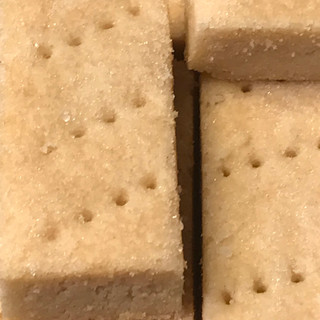
Golden shortbread cookies showing texture and color from traditional sugar
How Different Sweeteners Affect Taste and Texture
Granulated White Sugar
This is the sweetener most recipes call for. It has a pure, straightforward sweetness with no extra flavors. When you bake with white sugar, you get a nice balance of sweetness and crispness. It helps cookies spread evenly and develop a golden crust depending on baking temperatures.
If you love classic shortbread, white sugar is your best friend. It lets the buttery flavor shine without competing.
Brown Sugar
Brown sugar contains molasses, which gives it a richer, deeper flavor. It’s less sweet than white sugar but adds moisture. When you bake with brown sugar, your cookies tend to be softer and chewier.
For example, if you try a shortbread cookie made with brown sugar, you’ll notice a slight caramel undertone and a more tender crumb. It’s a cozy, comforting twist on the classic.
Honey
Honey is sweeter than sugar and has a distinct floral or fruity flavor depending on the type. It adds moisture, which can make baked goods softer and denser. Honey also browns faster, so you might need to adjust baking times.
Using honey in shortbread can give it a subtle complexity, but it might change the texture to be less crumbly and more cake-like.
Maple Syrup
Maple syrup brings a unique, woody sweetness with a hint of caramel. It’s liquid, so it adds moisture and can make doughs softer. Like honey, it browns quickly.
Shortbread with maple syrup tastes richer and has a lovely aroma. It’s a great choice if you want a gourmet twist on a traditional recipe.
Comparing Sweeteners in Shortbread Cookies
Let’s look at three sweeteners and how they change shortbread cookies, using examples from Scottish Fix’s handcrafted treats:
Traditional White Sugar Shortbread
This is the classic version. The cookies are buttery, and have a clean sweetness that lets the rich butter shine. The texture is firm but melts in your mouth.
Brown Sugar Shortbread
Here, the cookies are softer and chewier with a warm, caramel flavor. The molasses in brown sugar adds depth, making these cookies feel a bit more indulgent.
Honey-Infused Shortbread
These cookies are softer and have a subtle floral sweetness. The honey adds moisture, so the texture is less crumbly and more tender. The flavor is more complex and unique.
If you want to try these different styles, Scottish Fix offers a variety of shortbread cookies that showcase these sweetener differences beautifully. You can explore their handcrafted shortbread collection to taste the difference yourself.

Assorted shortbread cookies showing texture and color differences from various sweeteners
What to Expect When Baking with Alternative Sweeteners
Switching sweeteners isn’t always a one-to-one swap. Here’s what you should keep in mind:
Moisture content: Liquid sweeteners like honey and maple syrup add moisture, so reduce other liquids in the recipe.
Sweetness level: Some sweeteners are sweeter than sugar, so use less to avoid over-sweetening.
Browning: Honey and maple syrup brown faster, so watch your baking time closely.
Texture changes: Brown sugar and liquid sweeteners make cookies softer and chewier, while white sugar keeps them crisp.
Why Sweetener Choice Matters for Gift-Giving and Gourmet Treats
When you’re picking out shortbread cookies as a gift or for a special treat, the sweetener can make a big difference in flavor and texture. Some people love the classic crispness of white sugar shortbread, while others prefer the rich chewiness of brown sugar or the unique taste of honey-sweetened cookies.
Scottish Fix’s shortbread cookies are a perfect example of how sweetener choice can elevate a simple treat into a gourmet experience. Their family recipe has been perfected over time, balancing sweetness and texture to create something truly special.
If you want to impress someone with a gift, consider the sweetener profile. It shows thoughtfulness and attention to flavor that makes the gift stand out.

Gift box with traditional shortbread and traditional shortbread with Ghirardelli chocolate added.
Tips for Experimenting with Sweeteners in Your Baking
Ready to try swapping sweeteners in your own baking? Here are some quick tips:
Start small. Replace just part of the sugar to see how it affects taste and texture.
Watch baking times and temperatures carefully.
Taste as you go. Some sweeteners have strong flavors that can overpower.
Use recipes designed for alternative sweeteners when possible.
Remember, baking is part science, part art. Don’t be afraid to experiment and find your favorite sweetener combo!
Sweeteners shape the flavor and feel of your baked goods in surprising ways. Whether you stick with classic white sugar or explore the rich notes of brown sugar and honey, understanding these differences helps you bake better treats every time.
If you want to experience the magic of expertly crafted shortbread cookies that highlight these sweetener differences, check out Scottish Fix’s collection. Their cookies are a delicious way to taste the difference and enjoy a truly special treat.
Happy baking and tasting!


Comments